
Japan is a dream destination for digital nomads. Fast trains, excellent coworking spaces, reliable infrastructure, and a culture that respects focus and productivity. But here’s the catch: staying connected in Japan isn’t as simple as it should be. Most traditional eSIM providers sell you one-time data packages that expire in 7, 15, or 30 days. That’s fine for a holiday. But if you’re working remotely from Tokyo for a few months, hopping between Osaka and Kyoto, or testing out Japan as a base while you figure out your next move, you need something more flexible.
A monthly eSIM subscription solves this. Instead of buying a new data pack every few weeks or wrestling with Japanese paperwork at a carrier store, you get a plan that renews automatically, bills monthly, and works at local rates across Japan without tying you down to a long-term contract.
Why Japan’s Connectivity Options Fall Short for Nomads
Japan has world-class internet infrastructure. The problem isn’t quality—it’s access. If you want a local SIM card from a Japanese carrier, you’ll typically need a Japanese bank account, proof of residence, and sometimes even a personal seal (hanko). Many carriers require you to commit to a contract, often with early termination fees if you leave before your term ends.
One-time eSIM data packs solve the paperwork problem, but they create a new one: they expire. You’re either stuck rationing your data as your departure date approaches, or you’re buying a fresh pack every time you extend your stay. Neither option works when you’re living and working in Japan, not just visiting.
Your home carrier’s roaming? Expensive and inconsistent. Portable WiFi devices? You’ll carry another gadget, manage battery life, and often pay premium rental rates for the privilege.
What Makes an eSIM Subscription Different
A subscription model means your connectivity works like your other services: Netflix, Spotify, your coworking membership. You pay monthly, use what you need, and cancel when you’re done. No upfront commitment. No scrambling to buy more data when your pack runs out three days before you planned.
With ConnectPls, you activate your eSIM plan before you fly. The moment you land at Narita or Haneda, you’re connected. You’re getting local network access at local rates, but you’re billing through a service that understands how nomads actually live: moving between countries, extending stays, changing plans as your situation changes.
The flexibility matters because Japan rewards spontaneity. Maybe you planned two months in Tokyo but discovered you love Fukuoka and want to stay longer. Maybe a project wraps up early and you’re heading to Thailand next week instead of next month. A monthly subscription adjusts to your reality. A prepaid data pack doesn’t.
How Your Japan eSIM Compares to Other Options
| Option | Setup | Commitment | Best For | Major Downside |
|---|---|---|---|---|
| eSIM Subscription (ConnectPls) | Activate before departure | Monthly, cancel anytime | Long stays, flexible schedules | Requires eSIM-compatible phone |
| Local Japanese SIM | In-person, paperwork required | Usually 6-12 month contracts | Permanent residents | Requires Japanese bank, address proof |
| One-Time eSIM Pack | Quick, app-based | 7-30 day expiration | Short vacations | Expires; must repurchase repeatedly |
| Home Carrier Roaming | Automatic | Pay-per-use or daily pass | Emergency backup | Very expensive for extended use |
| Pocket WiFi Rental | Airport pickup or delivery | Daily rental fees | Groups sharing one device | Extra device to carry and charge |
What You Actually Need From Japan Connectivity
Working remotely in Japan means you need reliable data for video calls with clients back home, uploading files from cafes, navigating unfamiliar neighborhoods, and managing the dozen apps that make nomad life possible. Tourist eSIMs often give you enough data for maps and Instagram. That won’t cut it when you’re on a Zoom call from a coworking space in Shibuya.
You also need a plan that doesn’t punish you for uncertainty. Maybe you booked an Airbnb for one month but want the option to extend. Maybe you’re splitting time between Japan and South Korea. A monthly subscription gives you that breathing room. You’re not locked in, but you’re also not constantly managing expiration dates.
Coverage Across Japan That Matches Your Movement
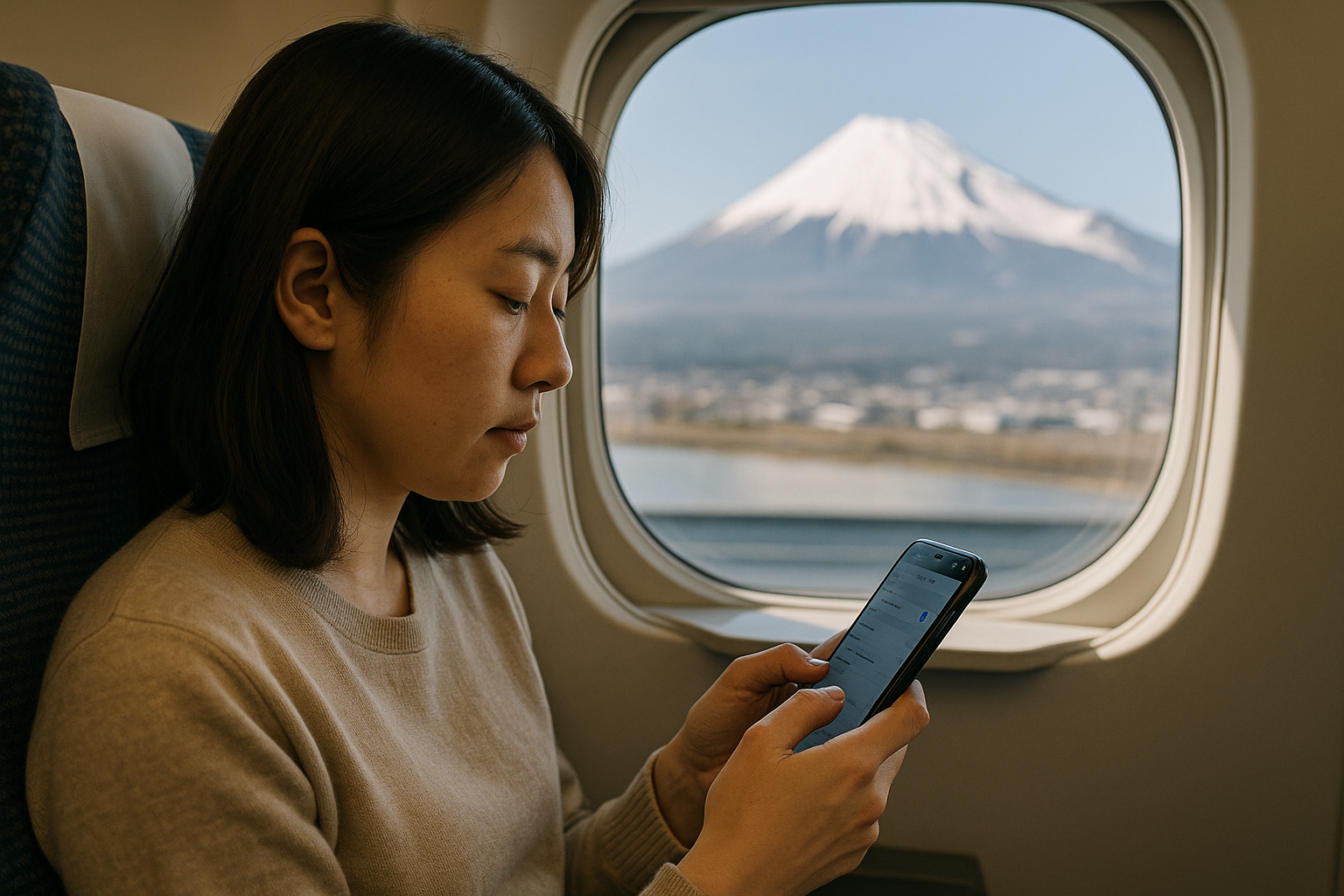
Japan’s major cities are well-covered by every provider. The real test is when you take the shinkansen to smaller cities, visit rural onsen towns, or work from a guesthouse in the Japanese Alps. A subscription service operating across Japan’s local networks means you stay connected whether you’re in a Kyoto temple district or a Hokkaido ski town.
You won’t think about coverage until you need directions to a hiking trail near Takayama or you’re uploading client work from a cafe in Kanazawa. Then it matters a lot.
Billing That Makes Sense When You Move Around
Most nomads in Japan aren’t just in Japan. You might spend two months in Tokyo, hop to Bali for a month, then return for cherry blossom season. A subscription model that works across multiple countries (with the same flexible monthly billing) means you’re not juggling different providers and different billing cycles for each destination.
ConnectPls operates across 200+ countries, so your Japan plan can shift to your next destination without starting from scratch. Same service, different local network, one flexible billing arrangement.
Setting Up Your eSIM Before You Go
The practical advantage of a subscription eSIM is that you handle everything before your flight. You’re not hunting for a SIM card kiosk at the airport after a 12-hour flight. You’re not troubleshooting activation instructions in a language you don’t read while standing in an arrivals hall.
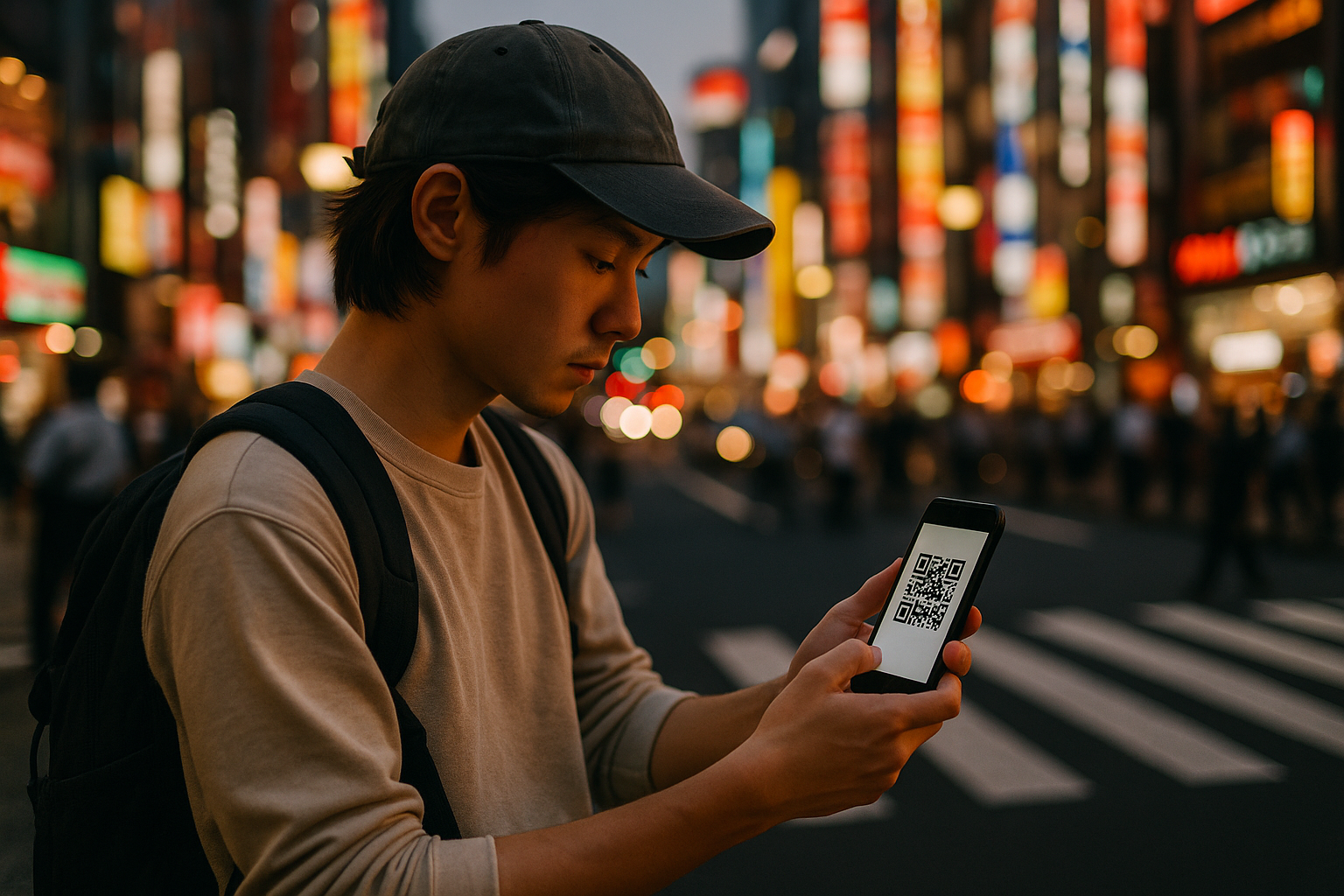
You activate your plan at home, scan a QR code, and confirm it’s working. When you land, your phone connects automatically. You walk out of the airport already connected, already able to grab a rideshare or message your Airbnb host.
This isn’t a small detail when you’re tired and just want to get to your accommodation without stress.
Frequently Asked Questions
Can I use my eSIM subscription in Japan if I’m only staying for two weeks?
Yes. Monthly subscriptions work for short stays too. You simply cancel after your first month. You’re not paying for time you don’t use, and you avoid the data anxiety that comes with fixed-duration packs that might run out before you leave.
Do I need a Japanese address or bank account to use an eSIM subscription?
No. That’s the whole point. ConnectPls activates your service before you arrive in Japan, and you bill through your existing payment method. No local paperwork, no proof of residence, no trips to a carrier shop to show your passport and visa.
What happens if I leave Japan but want to come back in a few months?
You can pause or cancel your subscription when you leave, then reactivate it when you return. Or simply keep it active if you’re using the service in other countries. The subscription model is built for people whose plans change, which describes most digital nomads most of the time.
Stay connected from the moment you land
ConnectPls provides eSIM plans, SIM cards, and portable WiFi subscriptions for digital nomads across 200+ countries — activated before you fly, working the moment you land, at local rates with flexible monthly billing and no surprise bills.