
The question comes up constantly in expat and digital nomad communities: should I use an eSIM or a physical SIM card? The answer, like most practical questions about long-term travel, is: it depends — and often the best answer is both, used for different purposes.
Key Takeaways
- eSIM is better for immediate connectivity, frequent country changes, and phone-first users
- Physical SIM is better for long stays in one country and getting a local phone number
- Many experienced travelers use both — eSIM as primary, local SIM for extended stays
- ConnectPls offers both eSIM plans and physical SIM subscriptions for 100+ countries
- The hybrid approach eliminates almost all connectivity gaps and coverage tradeoffs
When eSIM Wins
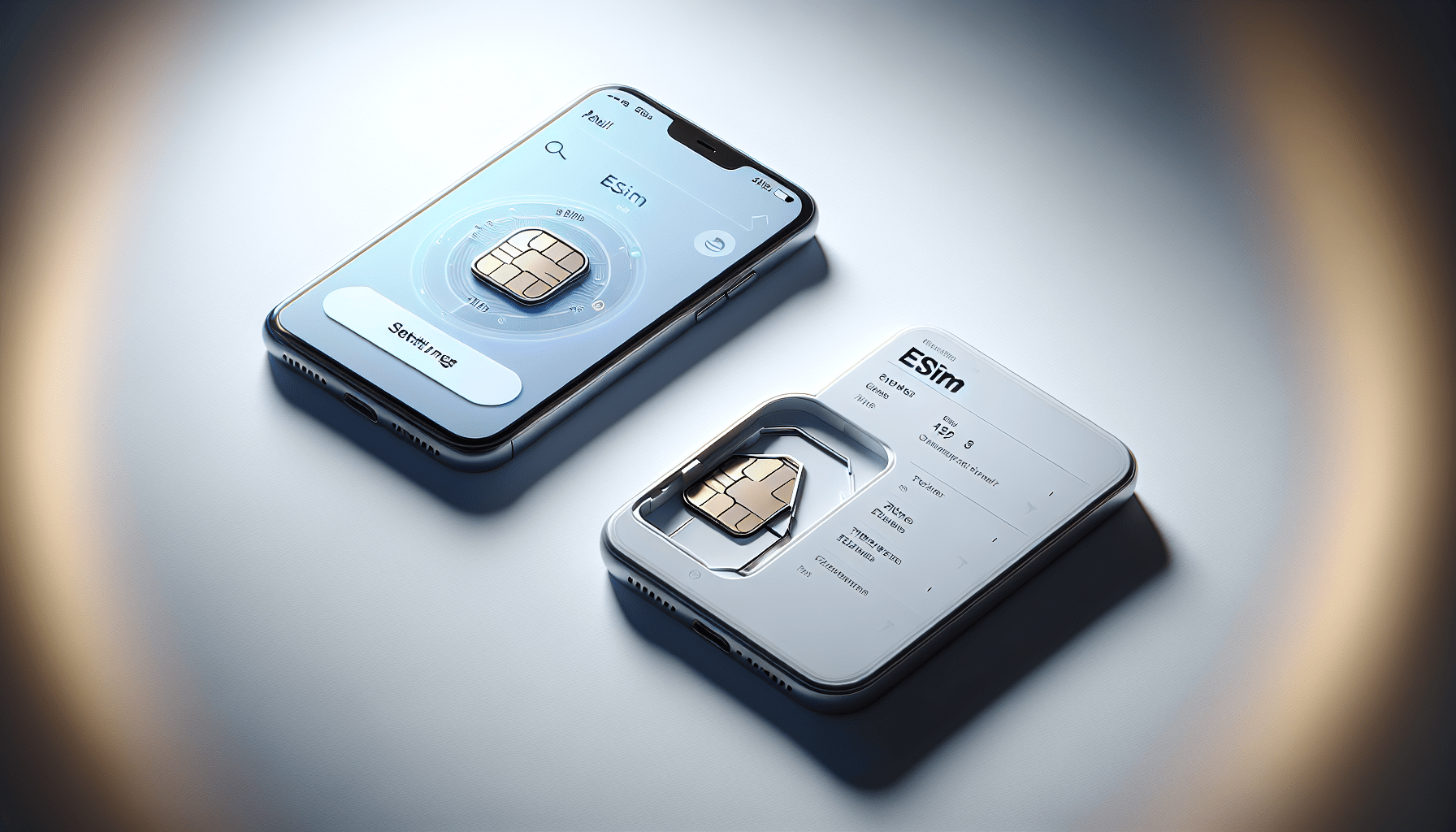
eSIM is the better choice when you need immediate connectivity without any physical setup. Arriving in a new country and needing data from the airport? eSIM wins — you activated it before the flight, it connects automatically. Moving countries every month? eSIM wins — no SIM shopping in every new destination. Traveling through multiple countries in a single trip? eSIM wins — automatic switching, no carrier shopping. ConnectPls eSIM plans take about 10 minutes to set up and work from the moment you activate them.
When Physical SIM Wins
Physical SIM is the better choice for long stays in a single country (3+ months) where local pricing gives significantly better value. It is also better when you need a local phone number — for banking, local services, and local contacts. And it is the only option if your phone does not support eSIM. ConnectPls physical SIM card subscriptions give you local network access with the convenience of setup from home — no arrival-day carrier shop visit required.
The Hybrid Approach: Best of Both

The most experienced nomads and expats do not choose — they use both. ConnectPls eSIM in the eSIM slot as the permanent primary connection for travel and short visits. ConnectPls physical SIM card in the SIM slot for the current long-stay destination, providing local pricing and a local number. Switch between eSIM and SIM card data in your phone settings depending on where you are. Two second switch in settings; no physical handling.
Cost Comparison: eSIM vs Physical SIM
For short periods (1-4 weeks), eSIM plans are typically more cost-effective because you pay for exactly the duration you need. For longer stays (2-6 months+), local physical SIM cards offer better per-GB pricing because you are accessing local plan rates. The break-even point varies by destination but is typically around 4-6 weeks. ConnectPls offers both options so you can choose the right one for each destination and duration.
ConnectPls provides both eSIM plans and physical SIM card subscriptions for 100+ countries — giving you the flexibility to choose the right option for each destination and duration. Start with an eSIM for instant connectivity, switch to a SIM card for extended stays. Visit connectpls.com.